Human resource management is undergoing significant transformation as HR teams increasingly rely on digital solutions to simplify and enhance their daily processes.
HR automation tools help organizations automate repetitive workflows, minimize human error, and shift HR’s focus toward strategic priorities such as talent growth and employee experience.
In this article, we will discuss what HR automation is, highlight the 12 leading HR automation tools for 2025, and share practical tips for choosing the most suitable solution for your business.
Definition of HR Automation Tools
HR automation tools are digital solutions developed to simplify and automate various human resource processes.
These tools cover a wide range of HR functions, including payroll processing, attendance tracking, recruitment management, performance evaluation, and employee learning programs.
By integrating all HR activities into a centralized system, HR automation tools help organizations reduce their reliance on manual processes, minimize administrative complexity, and improve overall operational accuracy.
Most modern HR automation tools leverage cloud-based technology, allowing real-time data updates and easy remote access.
Many also include mobile functionality and AI-powered features that support smarter payroll calculations, more efficient recruitment screening, and objective performance assessments.
Benefits of HR Automation Tools
The advantages of HR automation tools go far beyond improving efficiency. By automating repetitive HR tasks, companies can significantly reduce human error, lower operational costs, and free up HR teams to focus on strategic initiatives.
1. Increased Operational Efficiency and Accuracy
HR automation tools significantly reduce the time spent on repetitive administrative tasks such as payroll processing, attendance tracking, and employee data updates.
By standardizing workflows and minimizing manual input, these systems help eliminate common errors caused by human oversight.
As a result, HR teams can manage large volumes of data more efficiently while maintaining higher levels of accuracy and compliance.
2. Data-Driven Decision Making Through Advanced Analytics
Modern HR automation platforms are equipped with analytics and reporting features that provide real-time insights into workforce performance, employee productivity, and HR trends.
These insights enable HR leaders to identify patterns such as turnover risks, skill gaps, and performance issues early on.
With access to reliable data, organizations can make strategic decisions that align HR initiatives with overall business goals.
3. Enhanced Employee Engagement via Self-Service Access
Employee self-service portals allow staff to manage their own HR-related activities, including leave applications, attendance records, personal data updates, and payroll information.
This autonomy promotes transparency and empowers employees to take control of their HR interactions without relying on HR administrators.
As a result, employee satisfaction increases while HR teams experience a reduced administrative burden.
4. Improved Visibility of Workforce and Labor Costs
For business owners and management, HR automation tools provide a centralized view of organizational structure, headcount distribution, and labor-related expenses.
With accurate and up-to-date data, leaders can monitor workforce productivity, optimize staffing levels, and control payroll costs more effectively. This level of visibility supports better financial planning and operational decision-making.
5. Scalability for Growing Organizations
HR automation tools are designed to grow alongside the company. Whether managing a small team or a rapidly expanding workforce, automated systems can easily adapt to organizational changes such as new hires, restructuring, or policy updates.
This scalability makes HR automation especially valuable for SMEs looking to build sustainable HR processes without increasing administrative overhead.
6. Better Focus on Strategic HR Initiatives
By automating routine HR functions, HR professionals can shift their attention away from administrative work and toward strategic activities such as talent development, performance improvement, succession planning, and employee engagement programs.
This transformation positions HR as a strategic partner that directly contributes to long-term business growth.
Top 12 HR Automation Tools for Your Company
The HR automation tools listed below are highly recommended for organizations aiming to modernize and optimize their HR operations.
1. LinovHR
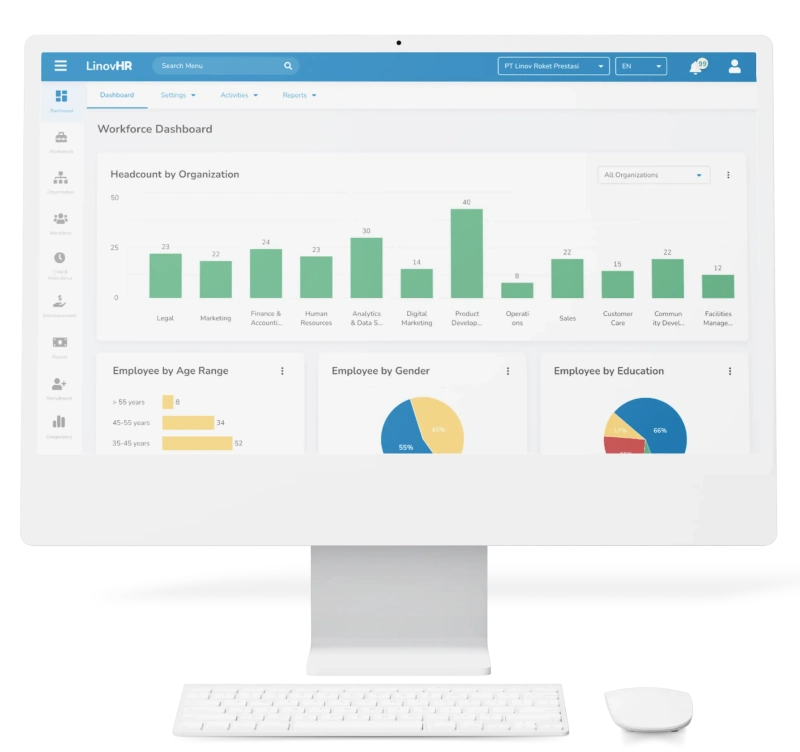
LinovHR is one of the most comprehensive HR automation tools in Indonesia. It delivers end-to-end automation across core HR functions, including payroll, attendance tracking, recruitment, performance management, and employee self-service.
Built to support both SMEs and large enterprises, HR Automation Tools LinovHR’s combines strong local compliance with flexible deployment options through cloud-based and on-premise systems.
Its user-friendly dashboard integrates multiple HR modules into a single platform, enabling HR teams to manage daily operations efficiently in one centralized system.
Beyond core HR functionalities, LinovHR also offers advanced modules such as succession planning, career path development, and learning management.
These features help organizations build a sustainable workforce while supporting long-term employee growth and leadership readiness.
Key features of HR Automation Tools LinovHR:
- Organization Management: Digitally manages company structures, roles, and reporting lines to create clear workflows
- Personnel Administration: Centralizes employee records including personal data, contracts, and employment status in a secure system
- Time Management: Tracks attendance, overtime, and leave to improve workforce planning and payroll accuracy
- Mobile Attendance: Enables clock-in and clock-out via mobile app using GPS, facial recognition, and anti-fraud controls
- Payroll: Automates salary calculations, taxes, and deductions to ensure accuracy and regulatory compliance
- Reimbursement: Streamlines expense claims and approval processes for transparency and efficiency
- Loan Management: Manages employee loans and repayment schedules directly within the HR platform
- Employee Self-Service: Allows employees to access payslips, submit leave requests, and update personal data anytime
- Recruitment: Automates hiring processes from job posting to onboarding
- Competency Management: Evaluates employee skills to identify development and training needs
- Career Path: Maps promotion paths and career progression to enhance employee motivation
- Succession Management: Identifies and prepares future leaders for business continuity
- Learning Management System: Delivers and monitors employee training programs to support continuous learning
| No. | Pros | Cons |
| 1. | Fully integrated HR automation with extensive modules | Requires initial training to maximize usage |
| 2. | Localized for Indonesian labor laws and tax regulations | Broad feature set may feel complex at first |
| 3. | Flexible deployment with cloud and on-premise options | |
| 4. | Real-time analytics to support informed decision-making | |
| 5. | Scalable for SMEs and large enterprises | |
| 6. | Advanced employee self-service and mobile accessibility | |
| 7. | Strong customer support and customization capabilities | |
| 8. | Free demo available for the first six months |
2. Zoho People
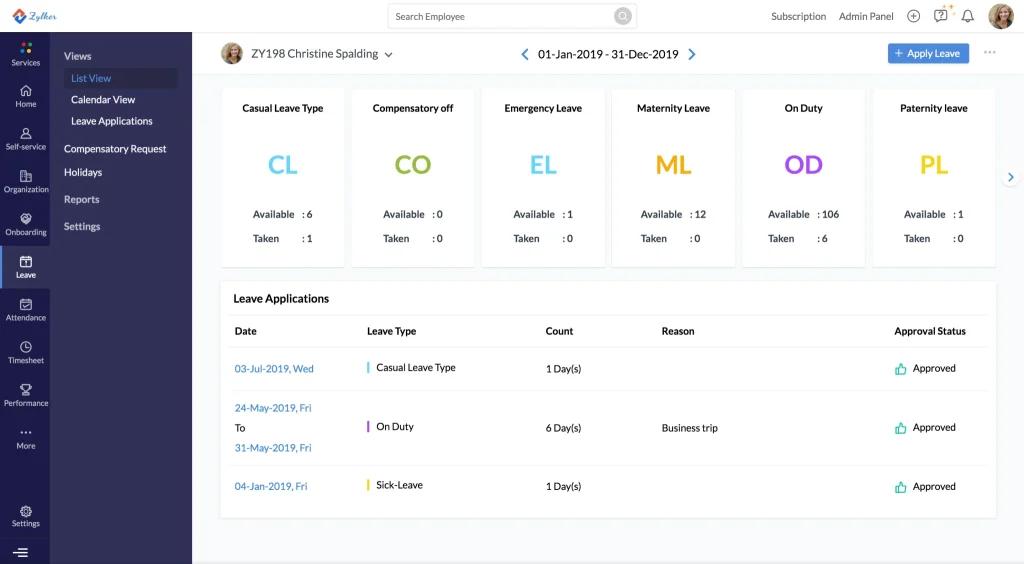
Zoho People is a cost-effective and flexible HR automation solution suitable for organizations of various sizes. Its modular approach allows companies to implement only the features they need and expand gradually as their HR requirements evolve.
As a cloud-based platform, Zoho People provides secure access and supports remote HR management across different work environments.
Key features of HR Automation Tools Zoho People:
- Employee database and attendance tracking
- Performance appraisal tools
- Leave management system
| No. | Pros | Cons |
| 1. | Affordable pricing structure | Limited advanced analytics |
| 2. | Strong integration within the Zoho ecosystem | Interface may feel less intuitive for some users |
| 3. | Easy to scale as business grows | Payroll features can be limited |
3. Namely
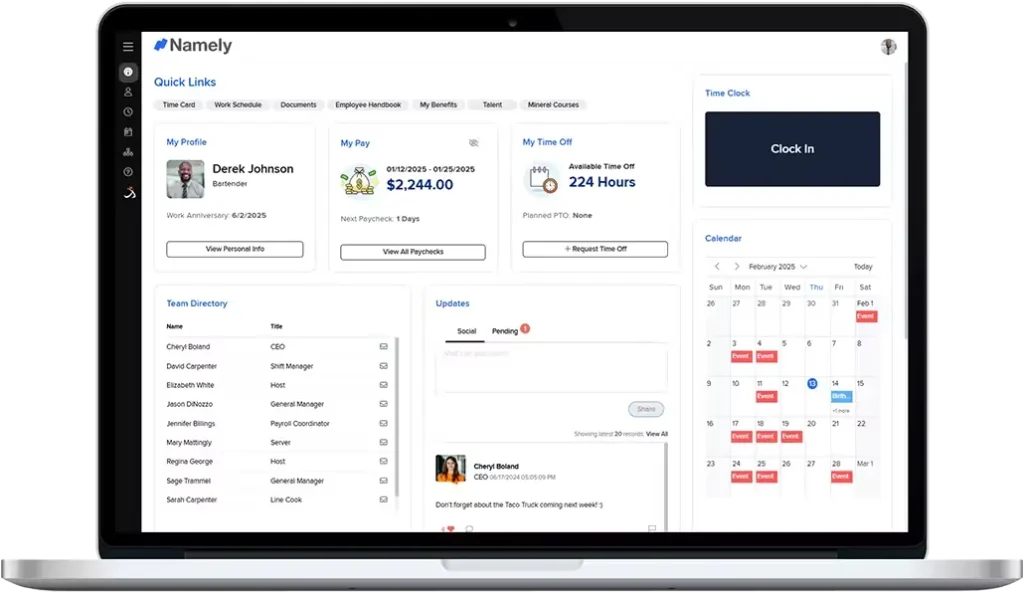
Namely is a people-focused HR automation platform designed specifically for mid-sized organizations. It offers an integrated solution that combines payroll, benefits administration, performance management, and compliance in one centralized system.
The platform places strong emphasis on employee experience by incorporating social HR features that promote engagement and collaboration across teams.
Key features of HR Automation Tools Namely:
- Payroll and benefits administration
- Compliance automation
- Performance management tools
| No. | Pros | Cons |
| 1. | Intuitive and easy-to-use interface | Pricing may be high for small businesses |
| 2. | Integrated payroll and HR modules | Some features are limited to US compliance |
| 3. | Employee self-service portal | Advanced customization requires technical support |
4. Monday.com
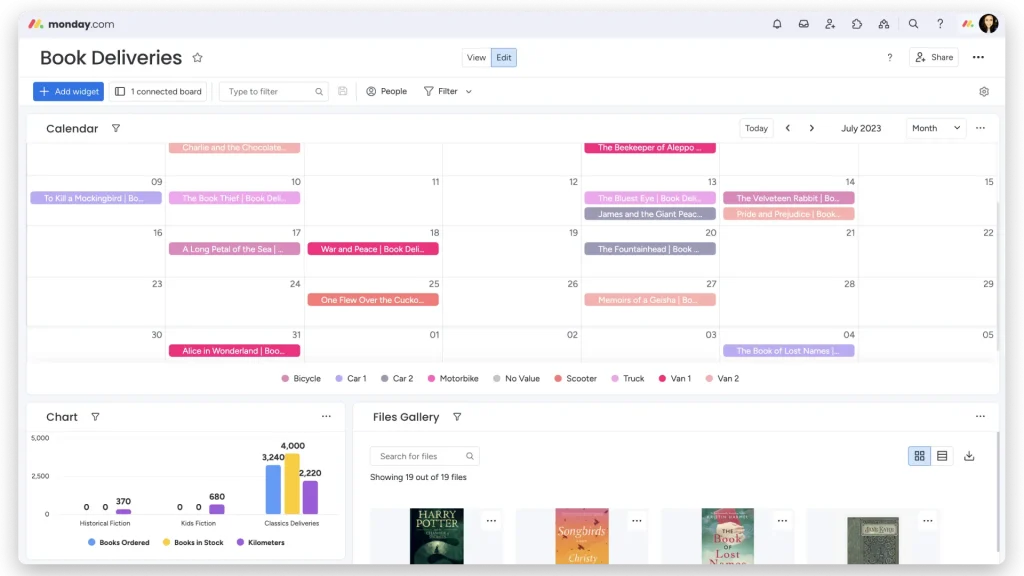
Originally known as a project management tool, Monday.com has evolved into a highly adaptable platform that also functions as an HR automation solution. Its visual dashboards make HR data easy to track, organize, and analyze in real time.
Monday.com enhances collaboration by integrating seamlessly with tools such as Slack and Gmail, making it a suitable option for HR teams that rely on cross-functional communication and customizable workflows.
Key features of HR Automation Tools Monday.com:
- Recruitment and onboarding templates
- Time tracking and task management
- Workflow automation builder
| No. | Pros | Cons |
| 1. | Highly customizable workflows | Not focused on traditional HR modules |
| 2. | Strong collaboration and communication features | Can be overwhelming for first time users |
| 3. | Integrates with multiple third-party apps | Limited payroll functionality |
5. Deel
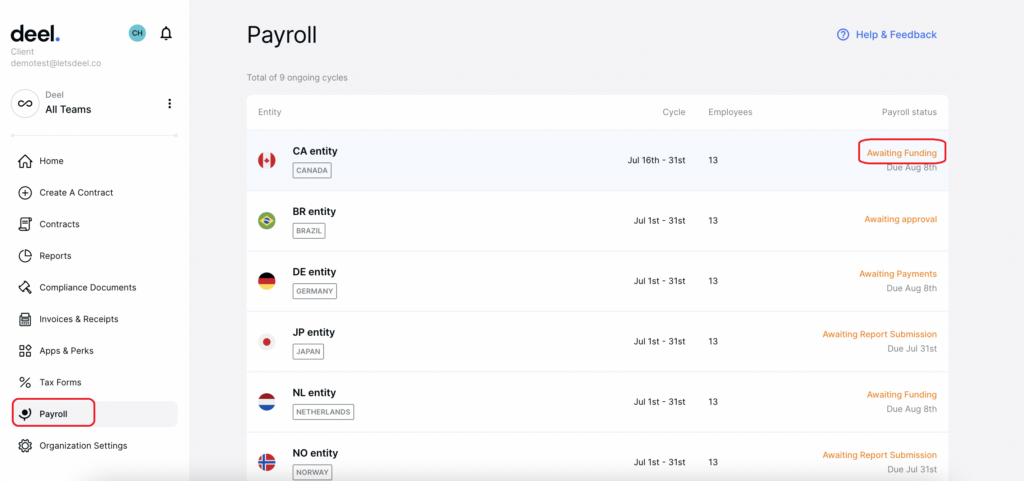
Deel is a leading HR automation solution for managing global and remote workforces. The platform enables companies to hire, pay, and manage international employees and contractors while staying compliant with local labor and tax regulations.
Deel is especially valuable for businesses operating across multiple countries that require seamless global payroll and contract management.
Key features of HR Automation Tools Deel:
- Global payroll and compliance automation
- Expense and invoice management
- Contractor and international workforce management
| No. | Pros | Cons |
| 1. | Ideal for remote and global teams | Pricing may be high for small companies |
| 2. | Automates payroll and regulatory compliance | Limited HR modules beyond payroll |
| 3. | Easy integration with third-party tools | Advanced configuration needed for some features |
6. Rippling
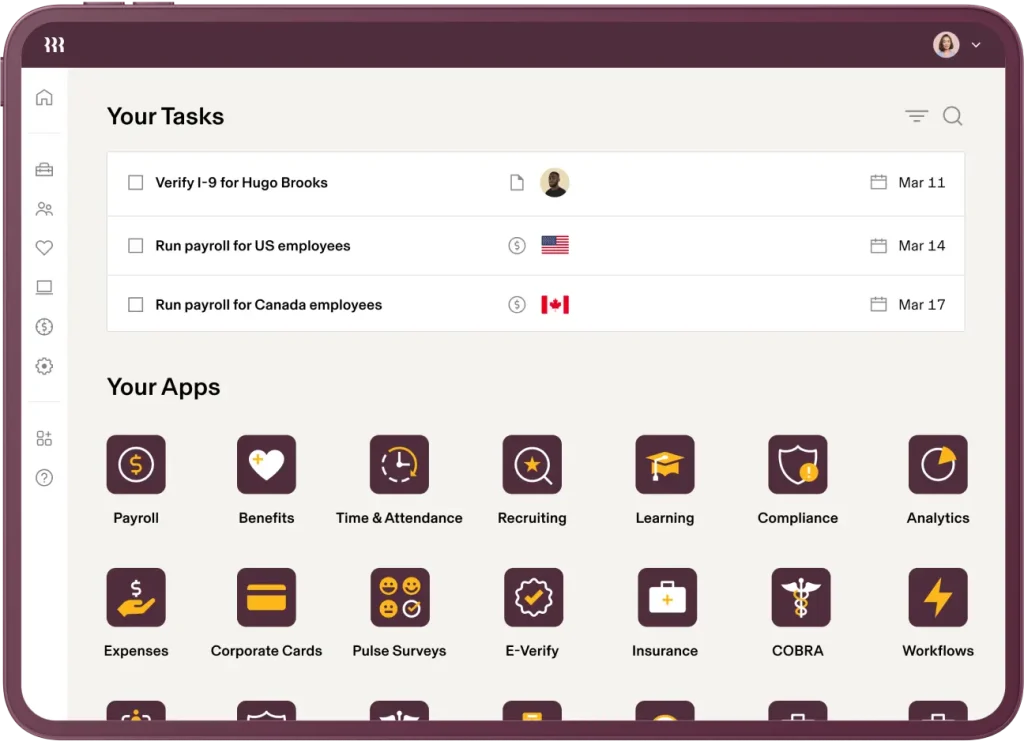
Rippling combines HR automation and IT management within a single unified platform. Its standout capability lies in automatically syncing employee data across multiple systems, significantly reducing manual updates and ensuring data consistency across departments.
This integration makes Rippling an ideal choice for companies looking to streamline both HR and IT workflows simultaneously.
Key features of HR Automation Tools Rippling:
- Employee onboarding automation
- Payroll and benefits administration
- Compliance management
| No. | Pros | Cons |
| 1. | Combines HR and IT management | Can be costly for smaller businesses |
| 2. | Integrates with over 500 applications | Some features require additional add-ons |
| 3. | Automates onboarding and payroll | Learning curve for complex workflows |
7. BambooHR
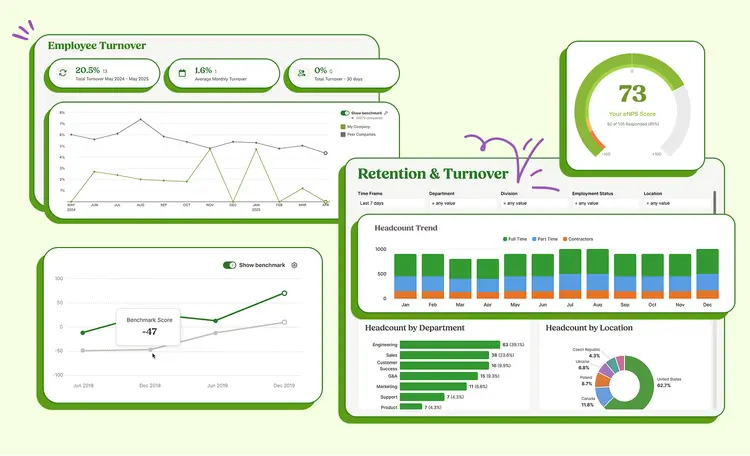
BambooHR is a well-known HR automation platform trusted by small and mid-sized businesses. It centralizes employee data while automating time-off tracking, document management, onboarding, and reporting.
The platform is recognized for its intuitive interface and strong emphasis on user experience, making it easy for both HR teams and employees to adopt.
Key features of HR Automation Tools BambooHR:
- Centralized HR database
- Time-off and attendance tracking
- Reporting and analytics
- Onboarding and offboarding automation
| No. | Pros | Cons |
| 1. | User-friendly and intuitive interface | Limited payroll support outside the U.S. |
| 2. | Automates essential HR processes efficiently | Lacks local compliance for some regions |
| 3. | Strong reporting and analytics features | Pricing can be expensive for smaller teams |
8. HashMicro
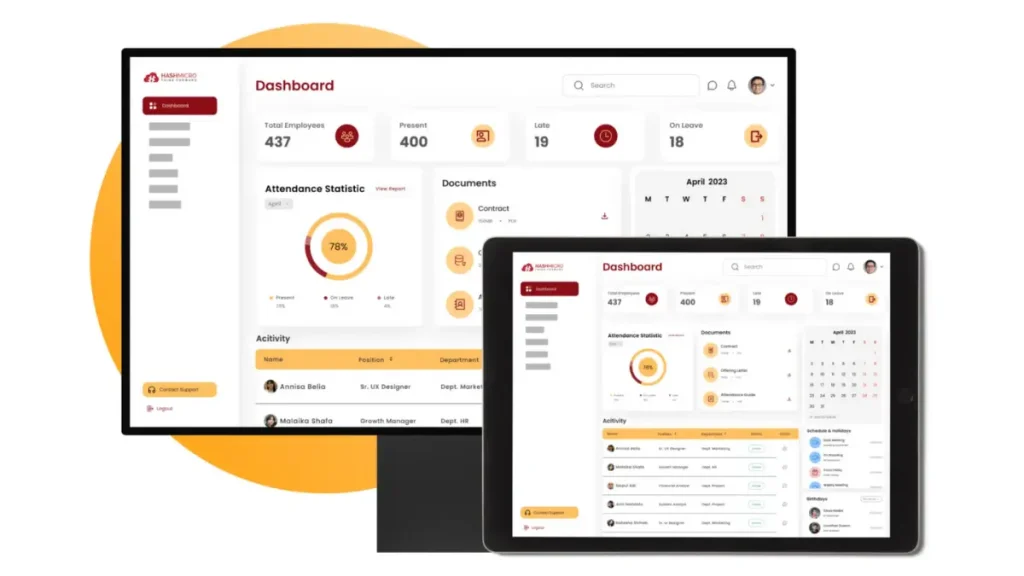
HashMicro offers a comprehensive ERP system with a robust HR module, making it a strong HR automation option for companies seeking full business integration.
The platform automates payroll, attendance, recruitment, and performance management to help reduce manual HR workloads.
HashMicro is highly customizable, allowing organizations to tailor workflows, reports, and processes to meet specific operational needs.
Key features of HR Automation Tools HashMicro:
- Automated payroll processing
- Attendance and leave management
- Recruitment and applicant tracking
- Performance management system
| No. | Pros | Cons |
| 1. | Fully integrated ERP and HR system | Too complex for small businesses |
| 2. | Highly customizable workflows and reports | Requires IT support during implementation |
| 3. | Real-time reporting and analytics | Higher pricing for advanced packages |
9. ADP Workforce Now
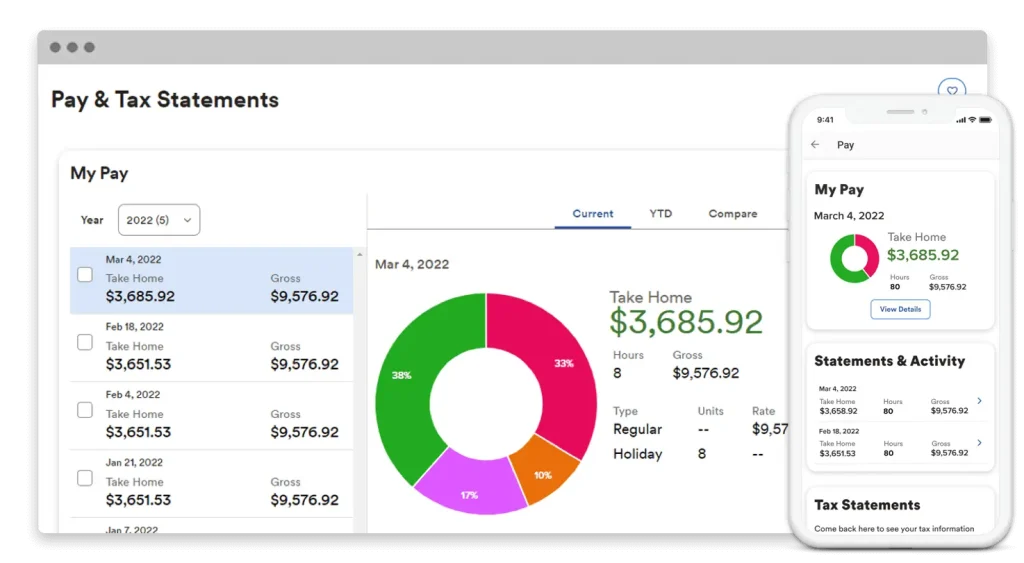
ADP Workforce Now is a well-established HR automation platform widely used by large enterprises. It delivers comprehensive HR automation capabilities, covering payroll, time tracking, talent management, and regulatory compliance within a single system.
The platform’s advanced analytics dashboard provides in-depth visibility into workforce trends and performance metrics, enabling HR leaders to make well-informed strategic decisions.
Key features of HR Automation Tools ADP Workforce Now:
- Payroll and time tracking automation
- Benefits administration
- Talent acquisition and performance monitoring
| No. | Pros | Cons |
| 1. | Comprehensive payroll and HR functionality | Higher cost for small businesses |
| 2. | Highly scalable for large organizations | Steeper learning curve for new users |
| 3. | Strong compliance and regulatory tools | Limited customization for smaller teams |
10. HiBob
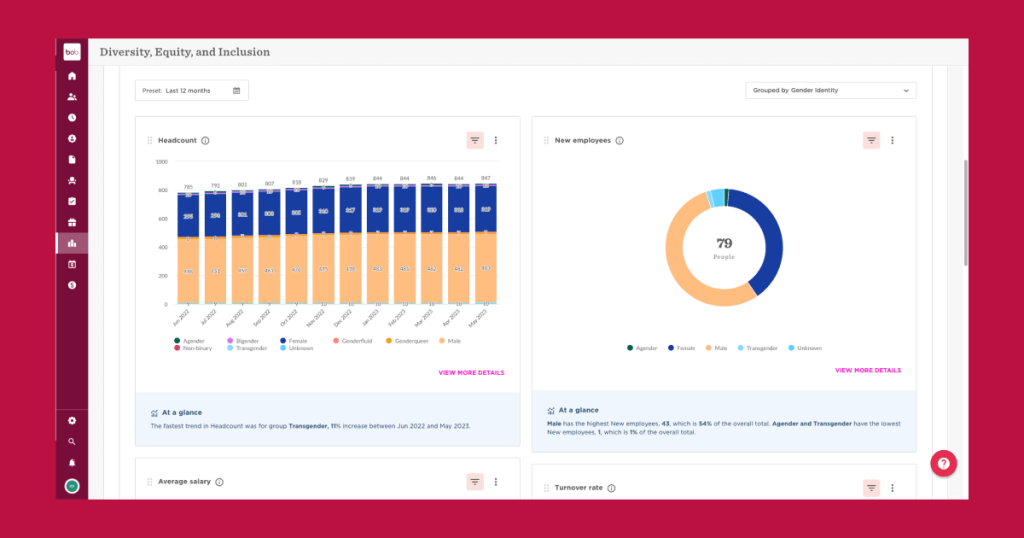
HiBob is a people-centric HR automation platform designed to support fast-growing organizations. It focuses on enhancing employee engagement and company culture while automating essential HR processes such as onboarding, time tracking, and performance evaluations.
HiBob is particularly well-suited for companies that prioritize employee experience alongside administrative efficiency.
Key features of HR Automation Tools HiBob:
- Employee lifecycle automation
- Performance management and engagement surveys
- People analytics and workforce insights
- Advanced onboarding workflows
| No. | Pros | Cons |
| 1. | Modern and intuitive user interface | Higher pricing for small businesses |
| 2. | Strong analytics for employee engagement | Limited customization for smaller teams |
| 3. | Efficient automation of HR workflows | Some features require additional add-ons |
11. Sage HR
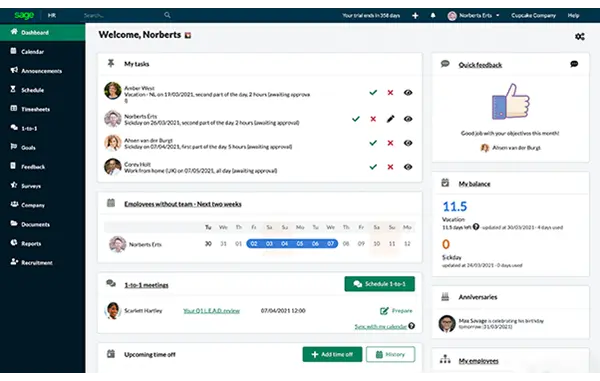
Sage HR is a cloud-based HR automation tool designed for small to mid-sized businesses. It automates essential HR activities such as leave management, performance evaluations, and expense tracking through an easy-to-use interface.
With built-in automation workflows, Sage HR helps organizations minimize manual HR tasks while improving operational efficiency and employee experience.
Key features of HR Automation Tools Sage HR:
- Leave and attendance automation
- Expense management system
- Performance appraisal tools
| No. | Pros | Cons |
| 1. | User-friendly interface | Limited advanced analytics |
| 2. | Employee self-service functionality | Less suitable for larger enterprises |
| 3. | Automates routine HR processes | Limited system integrations |
12. Paycor
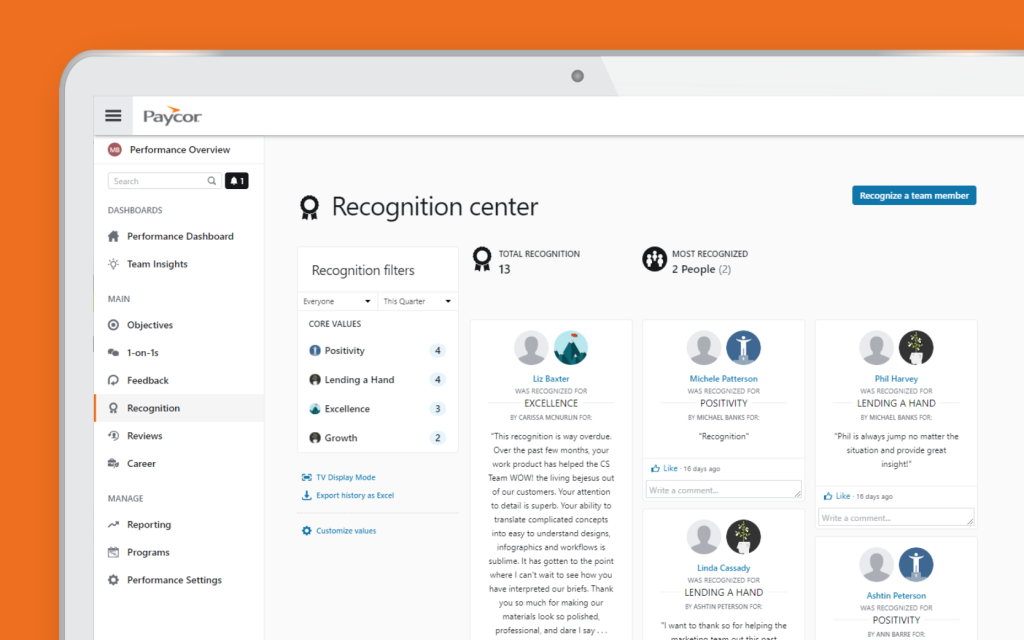
Paycor is an all-in-one HR automation platform designed to help HR teams manage payroll, timekeeping, recruitment, and employee engagement more efficiently. It is particularly strong in workforce analytics and compliance management.
Paycor’s automation features help reduce repetitive HR tasks while ensuring regulatory adherence and operational efficiency across the organization.
Key features of HR Automation Tools Paycor:
- Payroll and tax automation
- Workforce analytics and dashboards
- Learning and development tools
| No. | Pros | Cons |
| 1. | Comprehensive all-in-one HR platform | Higher subscription costs for smaller businesses |
| 2. | Real-time analytics and reporting | Some features require additional modules |
| 3. | Mobile access for employees | Implementation can be time consuming |
Guide to Picking the Perfect HR Automation Tool
Selecting the right HR automation tool plays a critical role in improving HR efficiency and delivering a seamless experience for both HR professionals and employees.
1. Thoroughly Assess Your HR Requirements
Start by clearly identifying the primary HR challenges within your organization. Do you encounter issues with payroll accuracy, leave administration, recruitment tracking, or performance evaluation?
By determining your key priorities early on, you can focus on HR automation tools that offer the most relevant features. This approach helps prevent overinvestment in unnecessary modules and avoids complexity that may slow down system adoption.
2. Review Integration Capabilities and Scalability
An effective HR automation solution should integrate smoothly with existing systems such as accounting software, project management tools, or CRM platforms.
Scalability is equally important. The right tool should be able to support business growth by accommodating an increasing number of employees, expanding feature requirements, and more advanced reporting needs as your organization evolves.
3. Prioritize Compliance and Data Security
HR automation platforms manage highly sensitive employee information, making compliance and data protection critical considerations. Ensure the tool adheres to applicable labor laws and data privacy regulations.
For companies operating in Indonesia, capabilities such as automated PPh 21 calculations, BPJS integration, and secure cloud-based data storage are essential to reduce compliance risks and administrative workload.
4. Evaluate User Experience and Accessibility
The platform should be easy to use for both HR teams and employees. Features such as intuitive dashboards, mobile access, and employee self-service portals significantly improve usability and adoption across the organization.
A positive user experience encourages transparency, minimizes errors, and speeds up HR processes, ultimately increasing employee engagement and satisfaction.
5. Examine Reporting and Analytics Features
Modern HR automation tools provide advanced reporting and analytics to help organizations monitor critical metrics such as attendance patterns, employee turnover, and performance trends.
Choose a platform that offers real-time insights, customizable dashboards, and actionable reports to support informed and strategic HR decision-making.
Enhance HR Productivity with LinovHR
As HR technology continues to advance, selecting the right HR automation solution becomes a key factor in effective workforce management. The right platform can transform how HR teams operate and deliver value across the organization.
LinovHR’s HR automation tools provide a complete, all-in-one solution designed to optimize HR processes, covering everything from payroll and attendance management to recruitment, performance evaluation, and employee self-service.
Request a free demo right now! Discover how LinovHR can streamline your HR operations, boost efficiency, and take your human resource management to the next level.